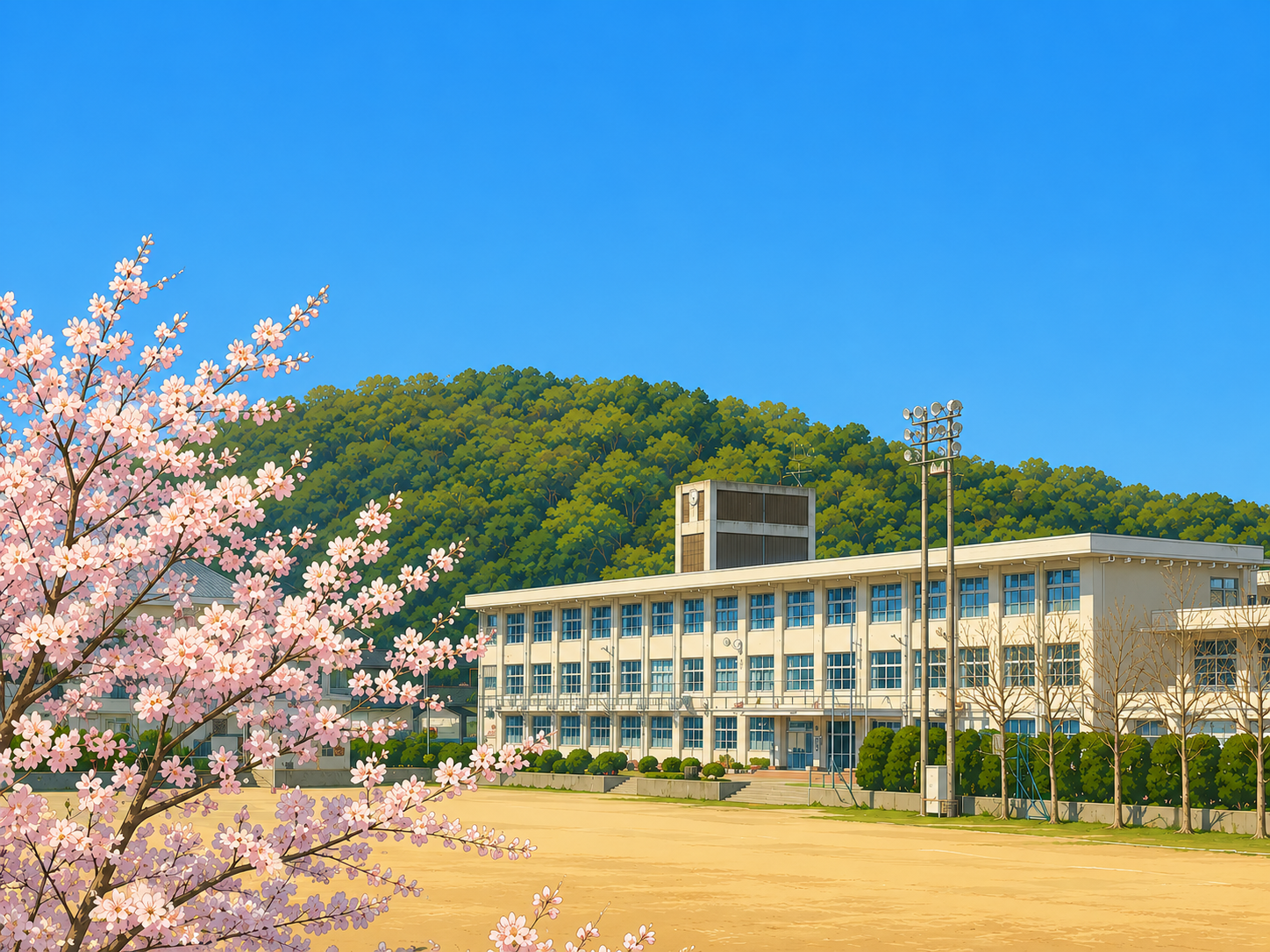
Educational System
Understanding the Academic System
Most universities and language schools in Japan start their academic semesters in April or September. Expect traditional lectures, interactive seminars, and strict attendance tracking.
Under Japanese immigration regulations, student visa holders must maintain a high school attendance rate (typically 80% or above). Failing to meet this threshold can lead to visa renewal rejection or deportation.
Types of Higher Education Institutions
There are 5 main types of higher education institutions that international students can be admitted to. Click explore to view the detailed requirements and program details for each category.
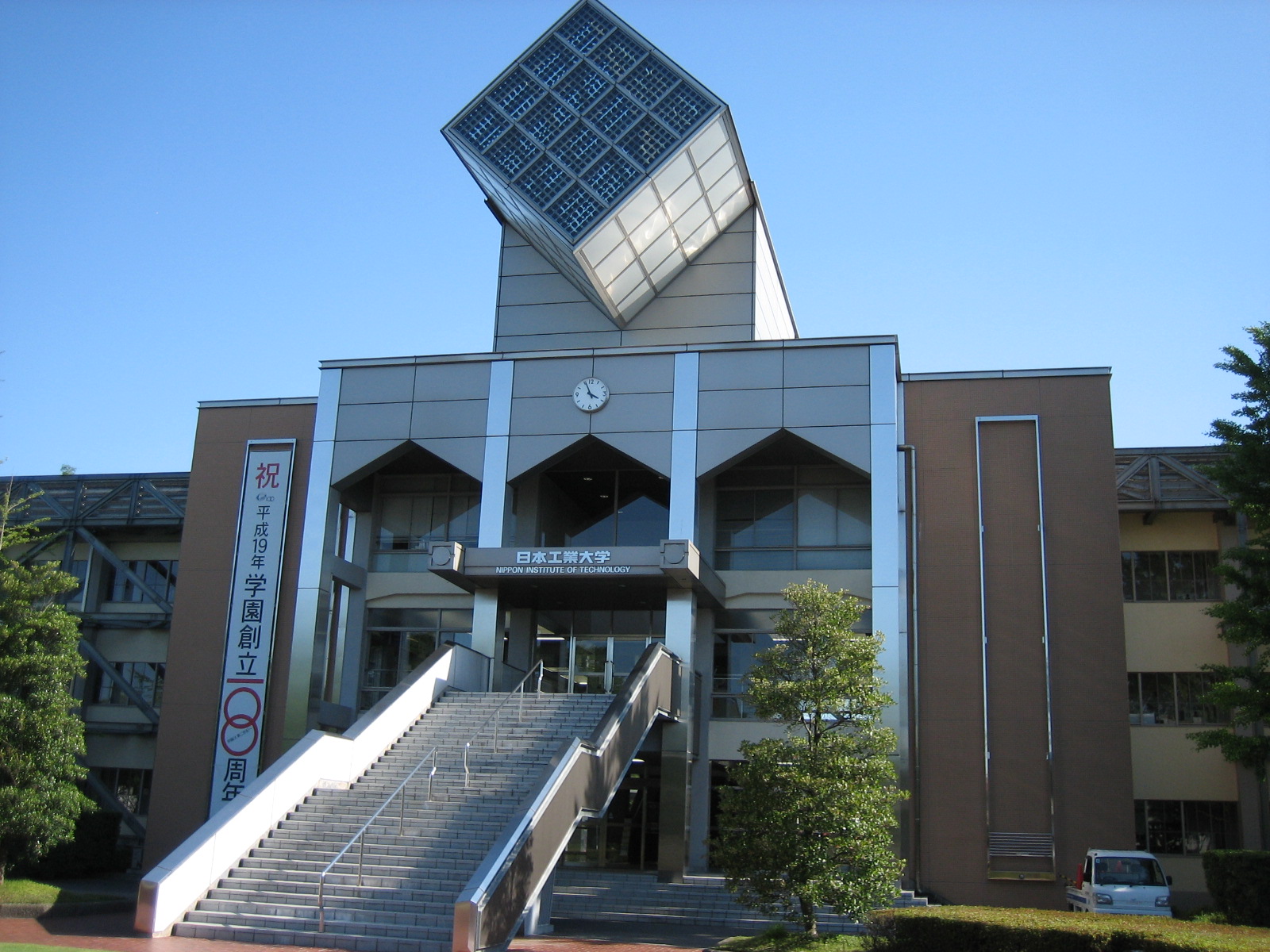
Graduate Schools
Doctoral & Master's Programs
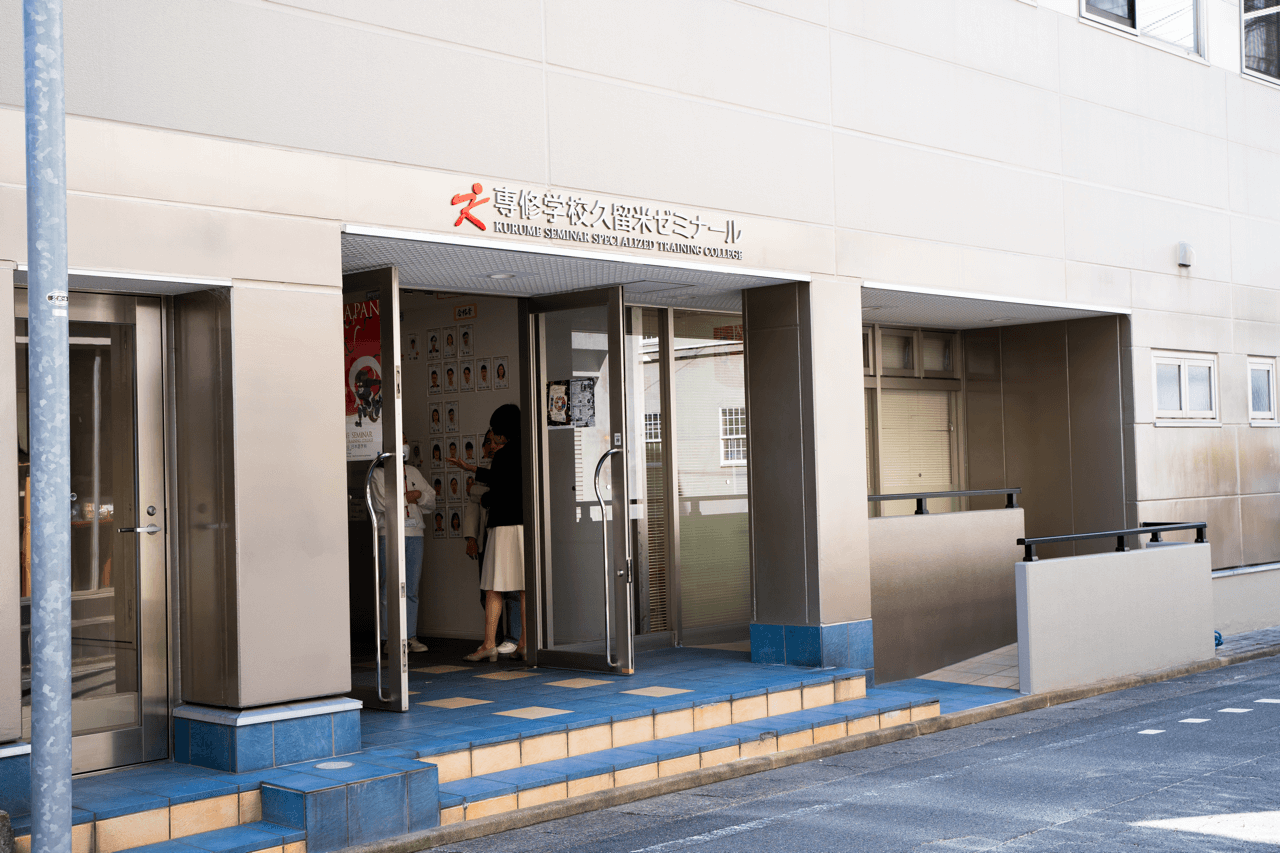
Universities
Undergraduate Bachelor Programs
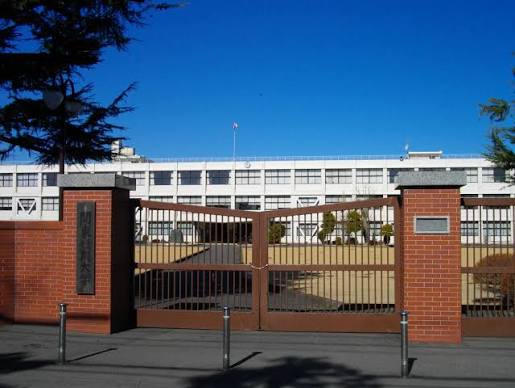
Junior Colleges
2-3 Year Associate Programs
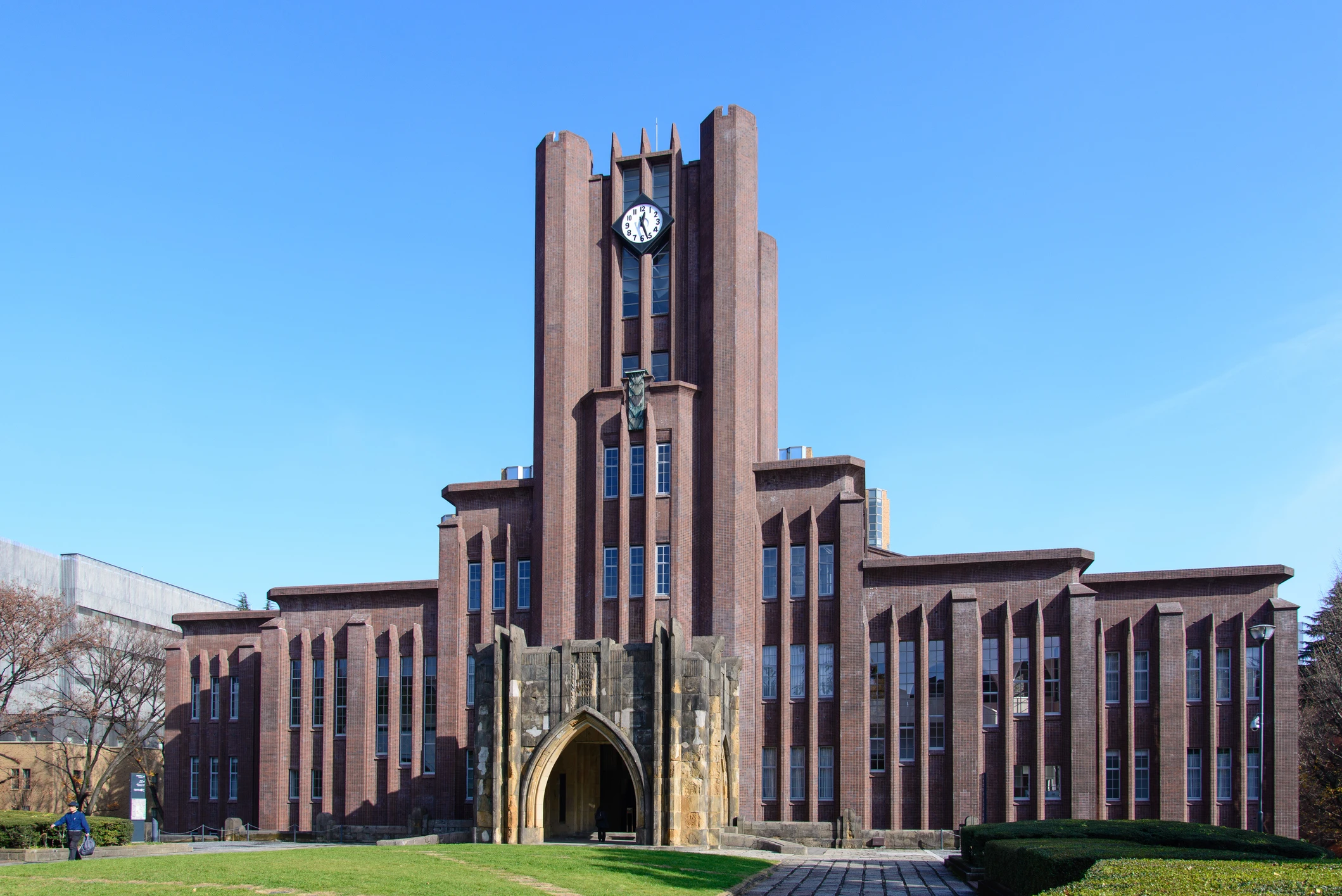
Colleges of Technology
Integrated Kosen Technical Education
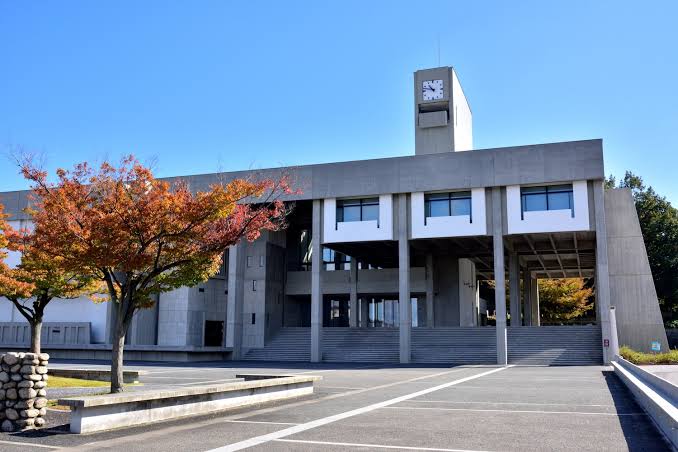
Specialized Training
Practical Senmon Gakko Programs
Looking for Japanese language prep schools instead? Scroll down or jump directly to the section.
Degrees, Titles & Study Periods
Detailed criteria for degrees and titles obtainable in Japanese institutions. Years of study vary by department and course.
| Program | Degree / Title | Required Period | Credits Required |
|---|---|---|---|
| Graduate School (Doctoral Program *1) | Doctor's degree | 5 years *2 | 30 credits or more (including credits earned in Master's) |
| Graduate School (Master's Program) | Master's degree | 2 years *2 | 30 credits or more |
| Professional Degree Program | Master's degree (professional degree) | 2 years | 30 credits or more |
| Juris Doctor (Professional Degree) | Juris Doctor (professional degree) | 3 years | 93 credits or more |
| Master of Education (Professional Degree) | Master of Education (professional degree) | 2 years | 45 credits or more |
| University (Undergraduate - General/Pharmacy) | Bachelor's degree | 4 years | 124 credits or more |
| University (Undergraduate - Medicine/Dentistry/Vet/Pharmacy) | Bachelor's degree | 6 years | Medicine/Dentistry: 188+ credits | Veterinary: 182+ credits | Pharmacy: 186+ credits |
| Professional & Vocational University | Bachelor's degree (professional) | 4 years | 124 credits or more |
| Junior College | Associate degree | 2 or 3 years | 2-year: 62 credits or more | 3-year: 93 credits or more |
| Professional & Vocational Junior College | Associate degree (professional) | 2 or 3 years | 2-year: 62 credits or more | 3-year: 93 credits or more |
| College of Technology (Undergraduate) | Associate degree | 5 or 5.5 years *3 | Varies by course |
| College of Technology (Advanced Course) | Bachelor's Degree | 2 years | Varies by course |
| Specialized Training College (Post-Secondary: Advanced Diploma) | Advanced Diploma | 4 years | Varies by course |
| Specialized Training College (Post-Secondary: Diploma) | Diploma | 2 to 3 years | Varies by course |
*1 Graduate school doctoral programs are sometimes divided into the first phase (two years) and second phase (three years). The required period of undergraduate study in medicine, dentistry, veterinary, and certain pharmaceutical programs is six years, and the duration of their graduate (doctoral) program is four years.
*2 Master's and doctoral programs list the standard number of years.
*3 The required period of study at a college of technology (undergraduate program) is normally five years (five and a half for mercantile marine studies). International students are accepted from the third year.
Bachelor's Degrees via NIAD-QE
Individuals completing their majors at a junior college or college of technology certified by the National Institution for Academic Degrees and Quality Enhancement of Higher Education (NIAD-QE)may obtain bachelor's degrees.
How to obtain:
Eligible graduates must apply directly to the NIAD-QE and pass the official examination. Confirm further details at the school to which your application will be made.
Academic Year & Semesters
Most higher educational institutions in Japan set their academic year from April to March of the following year. Many institutions use the semester system.
Most schools admit students in April (spring admission), but some schools have an autumn admission system (September/October).
Summer: Late July to early September
Winter: Late December to early January
Spring: February to March
Most schools implement a two-semester system (first semester: April–September, second semester: October–March).
Number of Higher Education Institutions
Statistics showing the division of institutions by founding bodies in Japan. Source: School Basic Survey 2025 (MEXT).
| Institution Type | National | Local Public | Private | Total |
|---|---|---|---|---|
| Graduate schools | 85 | 92 | 492 | 669 |
| Universities (Undergraduate) | 85 | 103 | 624 | 812 |
| Junior colleges | 0 | 14 | 278 | 292 |
| Colleges of technology | 51 | 3 | 4 | 58 |
| Specialized training colleges | 8 | 174 | 2476 | 2658 |
Detailed Institution Profiles
Detailed breakdown of curriculum features, admissions criteria, and standard qualifications for each school category.
Graduate Schools (Daigakuin)
Master's & Doctoral ProgramsGraduate schools offer Master's, Doctoral, and Professional graduate degrees. These institutions focus on advanced academic research, practical engineering, and high-level professional certifications.
- Research Structure: Built around strong research lab structures headed by a guiding supervisor (Professor).
- Funding Options: Great opportunity for MEXT research student sponsorships and teaching assistantships.
- Preparation Check: Requires compiling a detailed Research Proposal, finding and securing a Thesis Advisor (Professor) prior to application submission.
- Completion of 16 years of formal school education (Bachelor's degree equivalent).
- Academic research plan proposal.
- Proficiency in Japanese (JLPT N1/N2) or English (TOEFL/IELTS) depending on program medium.
Universities & Junior Colleges (Daigaku)
Undergraduate & Associate ProgramsUniversities offer undergraduate degree programs leading to Bachelor's degrees, whereas junior colleges offer shorter vocational curriculums leading to Associate degrees.
Higher education institutions with improper international student enrollment management are designated by MEXT as "Schools Subject to Guidance for Improvement". Be sure to check the school's compliance track record.
- Professional & Vocational Focus: Professional universities focus on practical training and industry collaboration, awarding professional degrees.
- Degree Programs in English: Many top universities offer English-medium courses requiring no prior Japanese proficiency.
- University Transfer System: Junior college and technical graduates can transfer directly into the 2nd or 3rd year of undergraduate courses.
- Career Networking: Access to extensive career placement networks (Shukatsu) in Japan.
- Completion of 12 years of primary and secondary schooling.
- Submission of EJU exam scores or local school-administered examinations.
- Usually requires JLPT N2 level for Japanese-taught tracks.
Colleges of Technology (KOSEN)
Integrated Engineering & Technical ProgramsKosen are unique institutions designed for middle school graduates, focusing on advanced engineering, manufacturing, and technology sciences.
- Transfer Admission: International students with high school equivalency are accepted directly into the 3rd year.
- After Graduation: High employment rates in manufacturing and engineering, with pathways to transfer to undergraduate universities.
- Hands-on Training: Focuses on practical lab experiments, design prototypes, and hands-on manufacturing skills.
- Completion of lower secondary education (or high school graduation for transfer entrance).
- Basic mathematics, physics, and science competencies.
Specialized Training Colleges (Senmon Gakko)
Practical Vocational TrainingVocational schools focusing on hands-on practical skills and industry-specific training (IT, design, animation, hospitality, automotive, culinary, design).
Requires proof of Japanese language study or passing levels (like JLPT N2 or equivalent) as classes are held entirely in Japanese.
- Diploma: Awarded after 2–3 years of study, allowing university transfer.
- Advanced Diploma: Awarded after 4 years of study, allowing graduate school admission.
- Job Placement: Extremely high job placement rates in Japanese companies upon graduation due to curricula closely aligned with industry needs.
- Completion of 12 years of formal school education.
- Japanese proficiency equivalent to JLPT N2 or 6 months of study at an approved Japanese language school.
Japanese Language Institutes (Nihongo Gakko)
Language & Culture OnboardingSpecialized language schools providing intensive Japanese language training, cultural orientation, and preparatory courses for higher education entrance exams (JLPT, EJU).
- Exam Preparation: Provides target classes to prepare students for the JLPT and EJU academic exams.
- Sponsorship: Acts as a guarantor for student residency statuses and provides comprehensive guidance for university or vocational school applications.
- Pathway: Crucial preparation step for international students wishing to study in Japanese-medium university programs or vocational schools.
- Completion of at least 12 years of formal education (or high school graduation).
- Basic proof of Japanese study (150+ hours of class study or JLPT N5 equivalent).