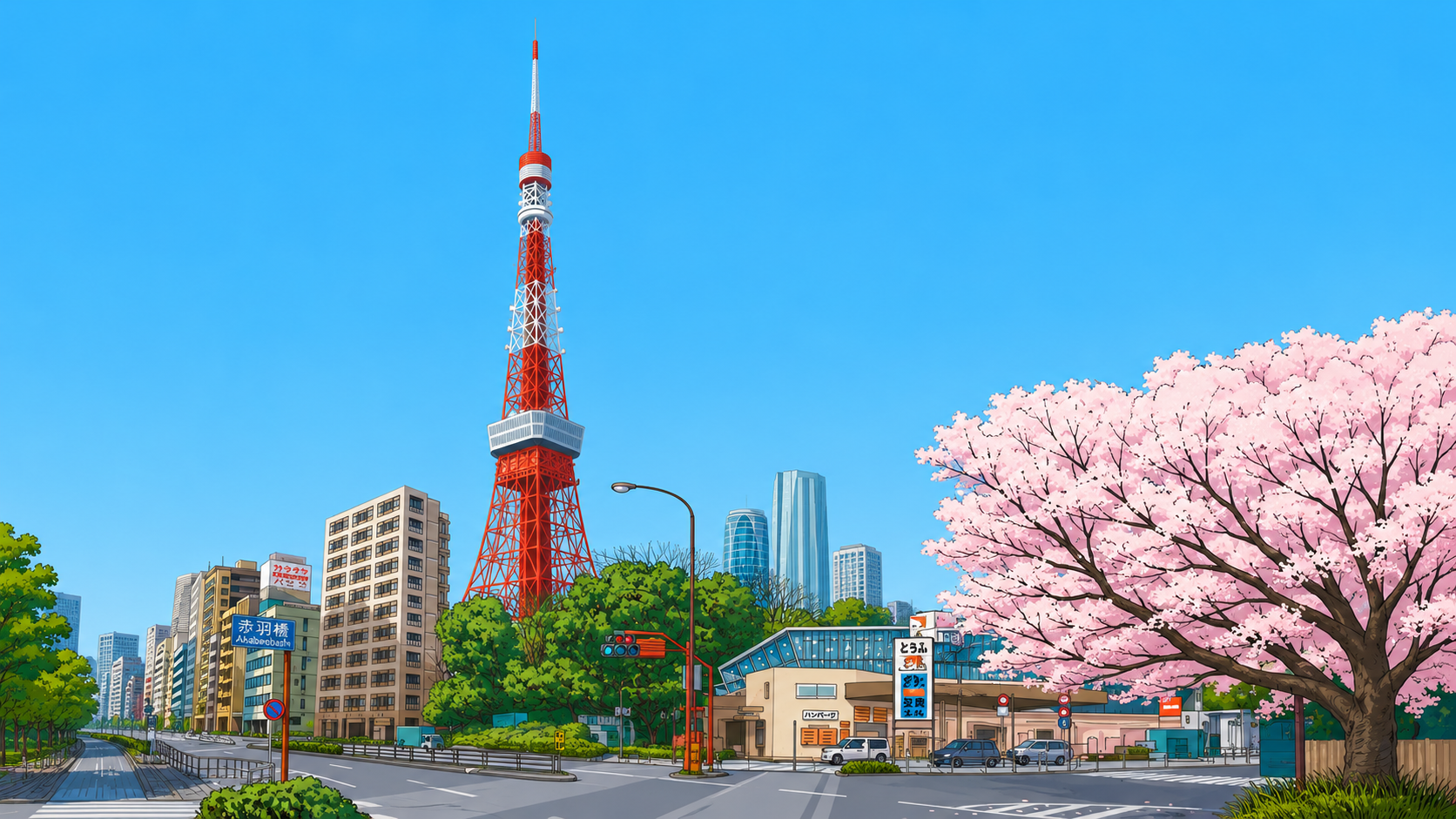
Culture Traditions

“A land where thousand-year-old temples stand in the shadow of neon skylines. Where silence is a language, seasons are celebrated, and every detail is an art form.
”
Understanding Japan Begins with Understanding Its Soul
Wabi-Sabi (侘寂)
The Beauty of Imperfection
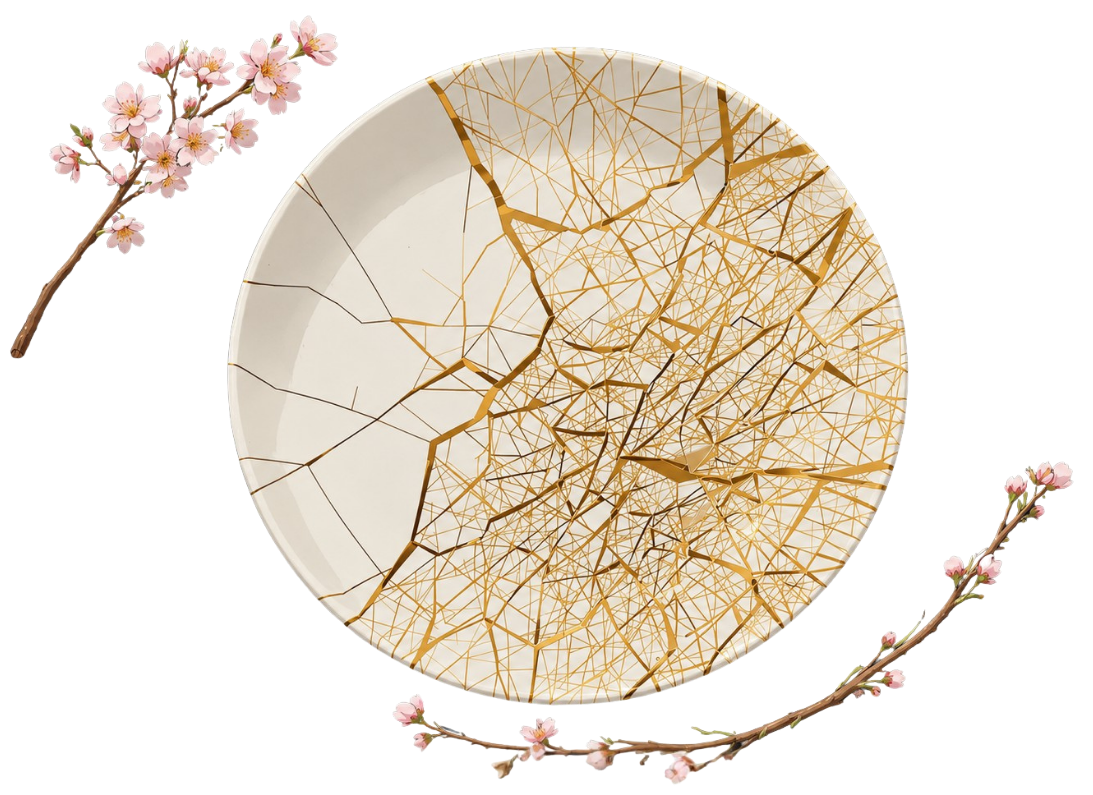
In Japan, a cracked tea bowl mended with gold (kintsugi) is more valuable than a flawless one. Wabi-sabi teaches us to embrace transience, simplicity, and the graceful passage of time.
Omotenashi (おもてなし)
Wholehearted Hospitality
Japanese hospitality is selfless — anticipating needs before they are spoken. From the warm oshibori towel handed to you at a restaurant to the taxi doors that open automatically, omotenashi is woven into everyday life.
Wa (和)
Harmony Above All
Social harmony — wa — is the invisible thread that holds Japanese society together. It's why voices are soft on trains, why shoes are removed at doorways, and why conflict is resolved through understanding, not confrontation.
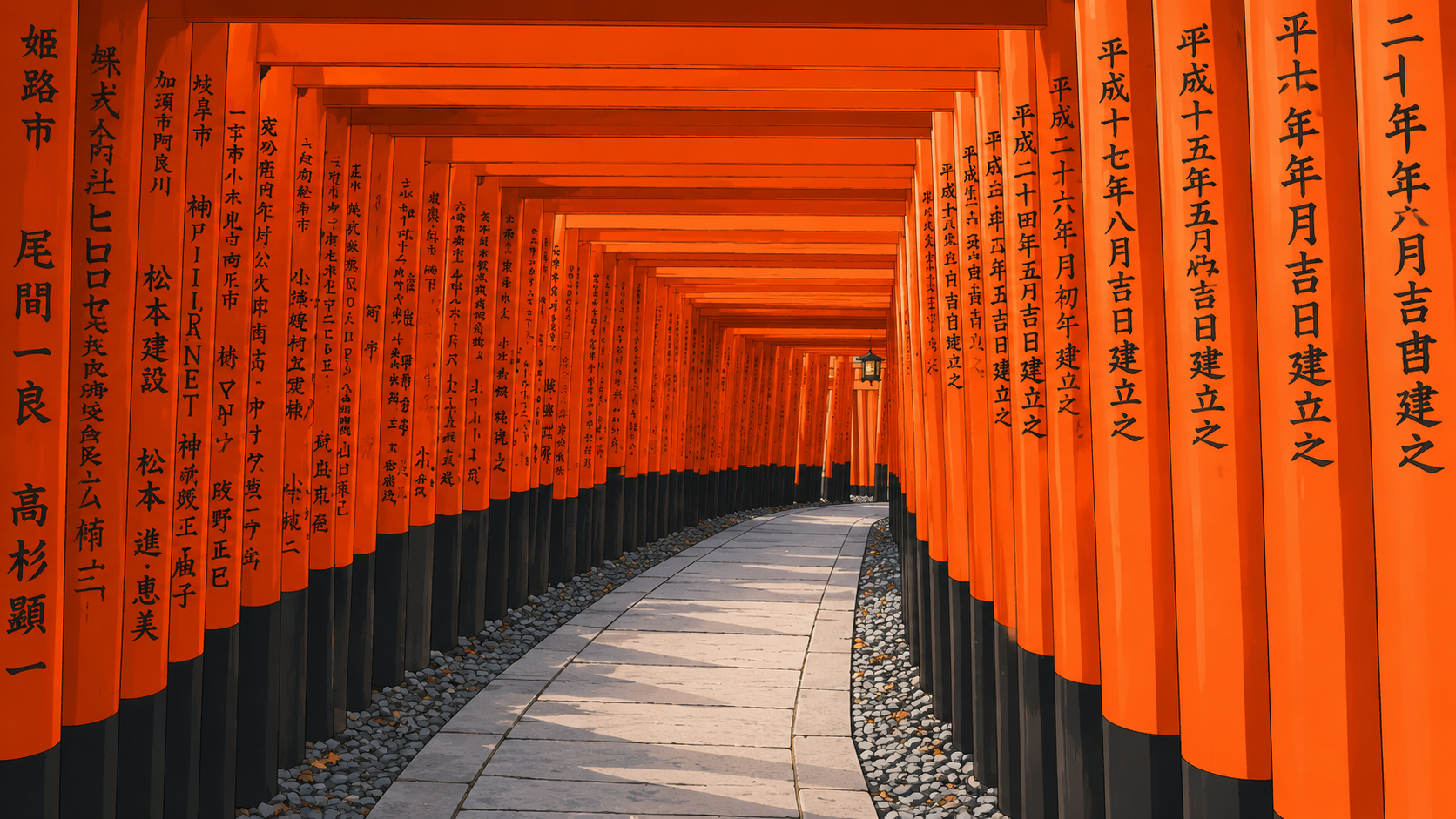
The Four Seasons of Japan
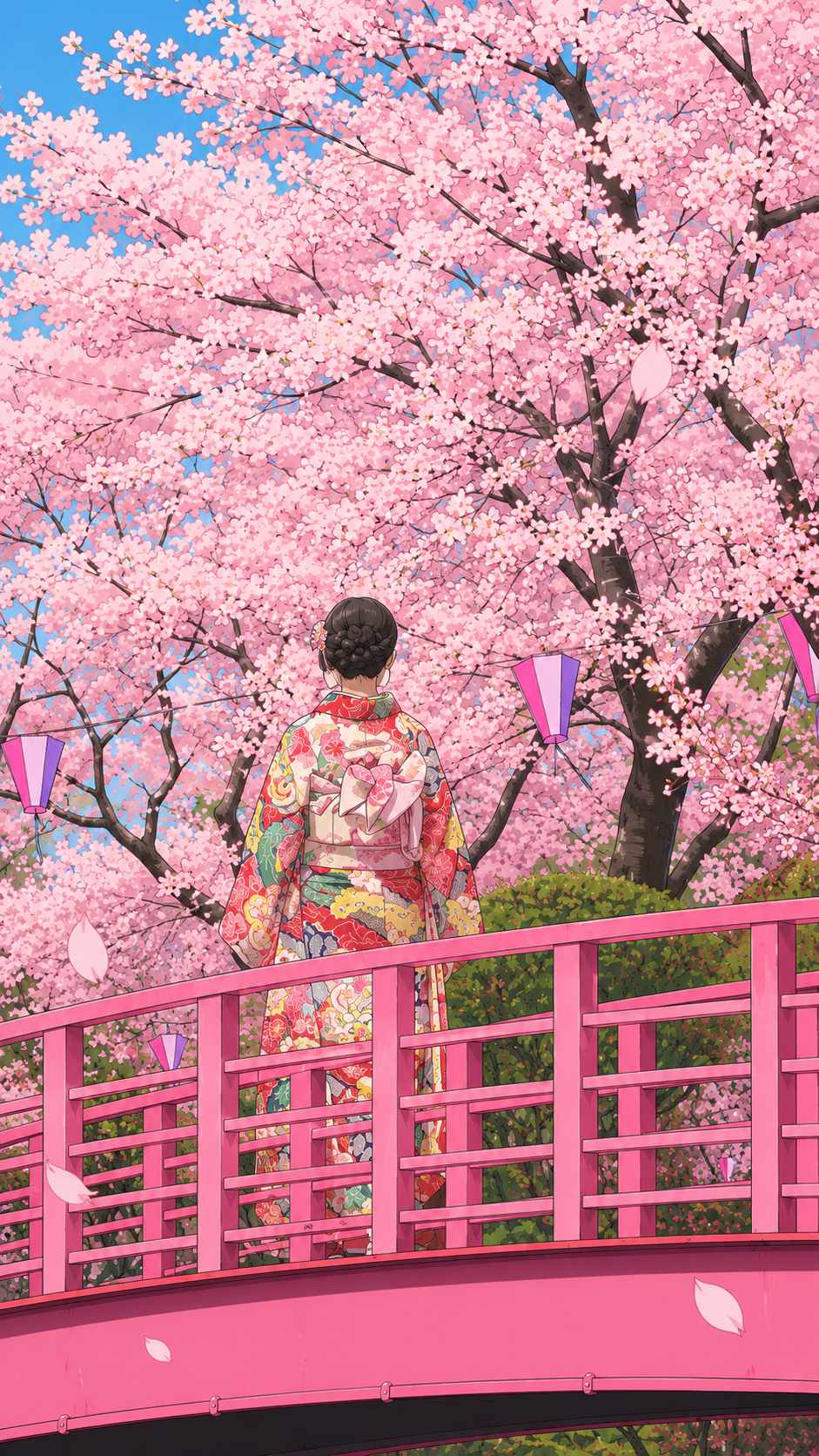
Spring
春 (Haru)
Summer
夏 (Natsu)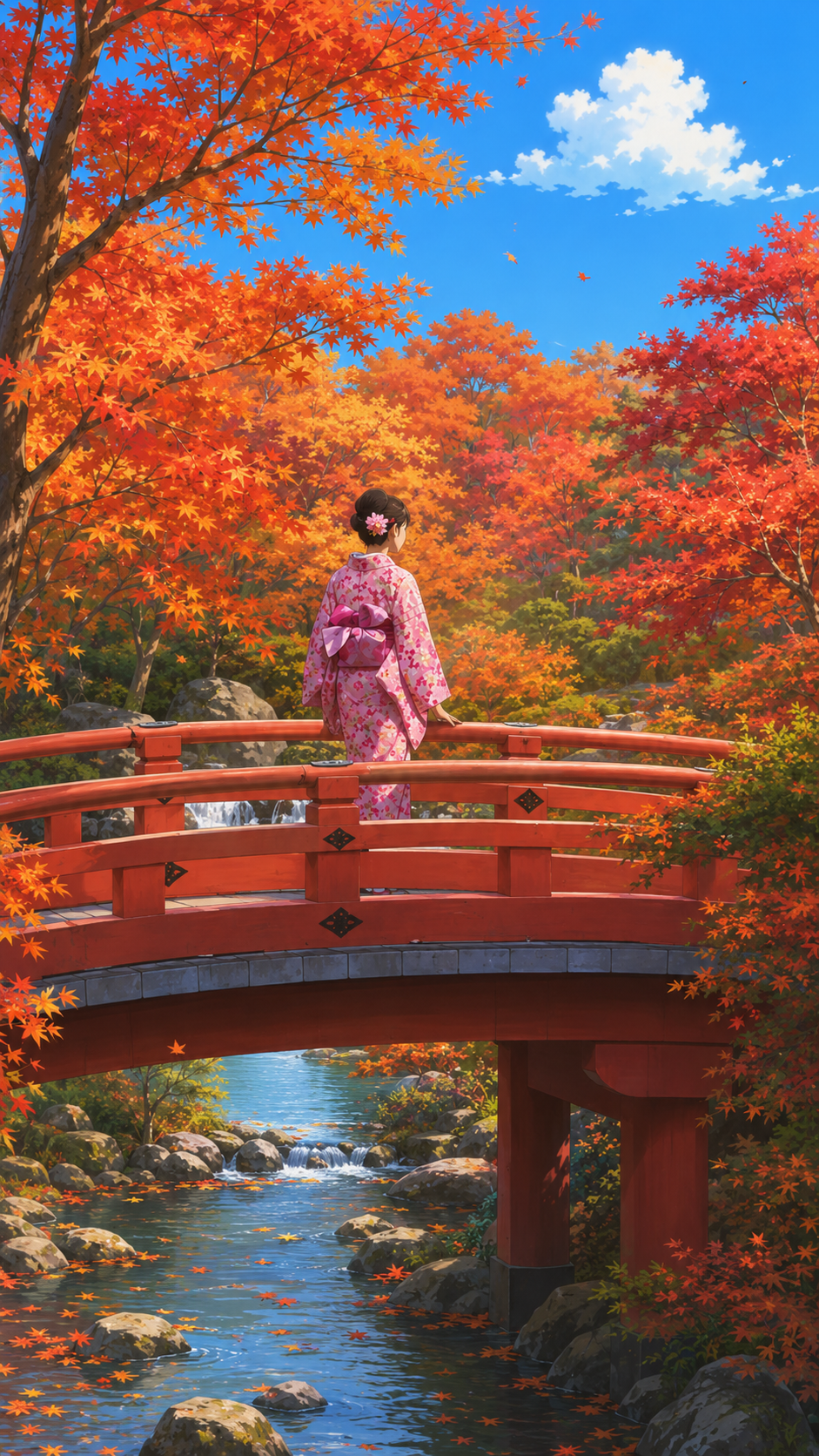
Autumn
秋 (Aki)
Winter
冬 (Fuyu)In Japan, Food is Not Just Eaten, It is Experienced
Japanese cuisine (washoku 和食) is a UNESCO Intangible Cultural Heritage. Every meal is a balance of five colors, five flavors, and five cooking methods — reflecting nature, season, and respect for ingredients.

Traditional Washoku
Rice with Miso soup, accompanied by side dishes consisting of fish, pickles, and vegetables. Soba and Udon noodles are staple lunch favorites, while Sushi and Yakitori are celebrated globally.
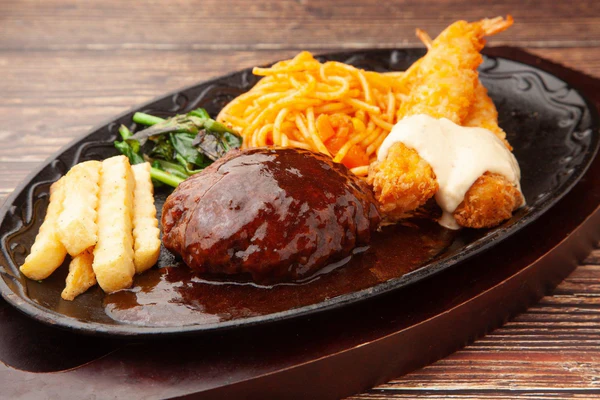
Adapted Cuisine (Yoshoku & Chinese)
Widely popular adapted dishes include Chinese-derived Ramen, Gyoza, and fried dumplings, alongside Western-adapted Japanese curry and hamburger steaks.
Sushi(寿司)
Culinary Profile
Salmon (サーモン)
A tender, buttery fish with a mild flavor, perfect for sushi and sashimi.
Prawn (エビ)
Sweet and tender, prawns offer a delicate, slightly briny flavor, making them a popular sushi topping.
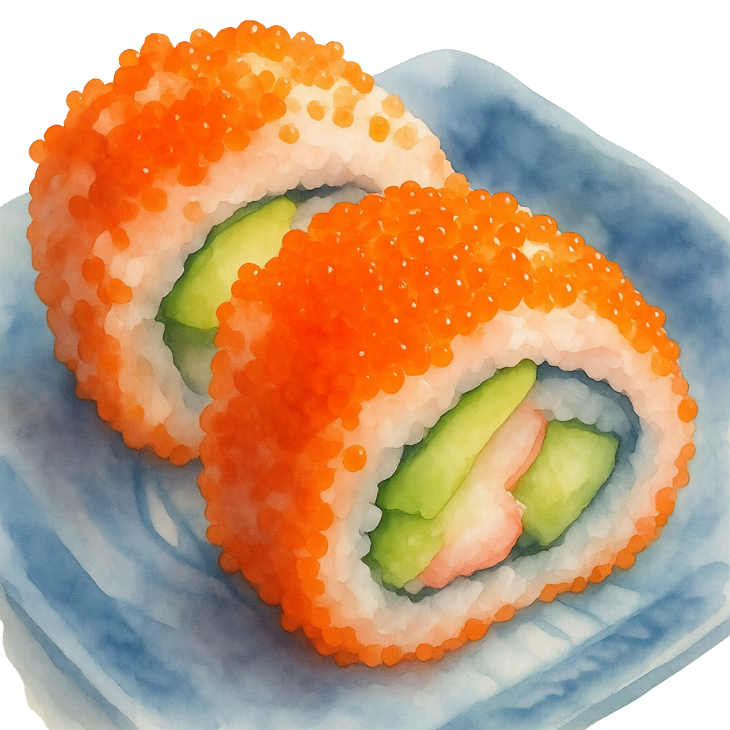
Seasonings (調味料)
Essential for enhancing sushi, seasonings like soy sauce, wasabi, and pickled ginger (gari) add depth.
Rice & Seaweed (酢飯と海苔)
Short-grain rice seasoned with vinegar, sugar, and salt, wrapped in crisp nori.
Six Pillars of Japanese Etiquette
Essential everyday manners that will help you blend in seamlessly and build positive relationships.
Bowing (Rei)
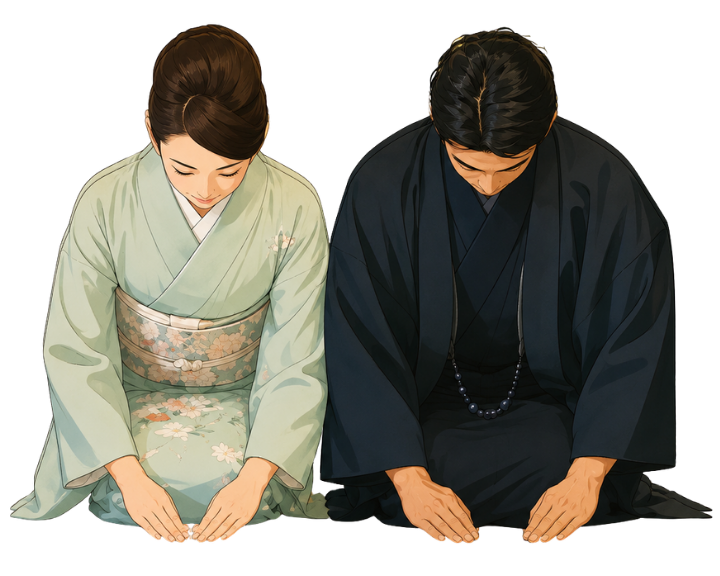
Bowing is the cornerstone of Japanese greeting and respect. The depth of the bow reflects the degree of respect: from a casual 15-degree greeting (eshaku) to a formal 30-degree bow (keirei).
Avoid keeping eye contact while bowing; look downwards naturally in alignment with your head.
Removing Shoes
Shoes are removed at the entrance (genkan) of homes, traditional hotels (ryokan), temples, and some restaurants. Look for a raised floor or shoe cubbies as a cue.
Always wear clean, intact socks, as your feet will be visible to everyone.
Dining & Chopsticks
Chopstick etiquette is deeply respected. Never stick chopsticks vertically into rice (a funeral custom) or pass food directly from chopstick to chopstick.
Slurping noodles is not rude—it actually shows appreciation and cools down the food!
Garbage Sorting
Japan has one of the most advanced trash-sorting systems in the world. Street trash cans are rare; citizens carry their garbage home to separate it into burnables, non-burnables, plastics, and recyclables.
Sort your bottles and cans at convenience stores using the designated separate slots.
Public Transit Manners
Trains and buses are quiet zones. Speaking loudly, talking on mobile phones, or eating/drinking on local trains is considered extremely impolite.
Set your phone to 'manner mode' (silent) and keep music volume low so it doesn't leak from headphones.
Tipping (No Tipping)
There is no tipping culture in Japan. Excellent service is considered a standard and is already included in the bill. Leaving extra cash on the table will likely lead to staff running after you to return it.
Simply saying 'Gochisousama deshita' (Thank you for the feast) is the best way to show appreciation.
The Do's & Don'ts of Social Scenarios
Things You SHOULD Do
Bow slightly when greeting, thanking, or apologizing.
Keep your voice low when speaking in public areas and transport.
Hold doors open for others and queue neatly at train stations.
Keep your trash with you until you find a bin or reach home.
Use both hands when receiving or giving business cards or gifts.
Things You SHOULD AVOID
Do not blow your nose loudly in public—excuse yourself to a restroom.
Do not point at people or objects with fingers or chopsticks.
Do not talk on your mobile phone while on public transportation.
Do not walk and eat at the same time; consume food near the shop.
Do not litter under any circumstances.
Frequently Asked Questions
"Simplicity is the Ultimate Sophistication — Japan Proved It"
UX Design: Ultra-minimal layout • One element per view on scroll • Muji & Kenya Hara inspired
The Power of Emptiness
Space is not empty — it is full of possibility. Japanese design leaves room for the viewer's imagination.
Subtle, Understated Beauty
Not flashy. Not plain. Shibui is the quiet confidence of something perfectly balanced — a gray ceramic bowl, a weathered wooden gate.
Nothing is Wasted
Respect for resources. Furoshiki (wrapping cloths) replace gift bags. Broken pottery is mended, not discarded. Food scraps become stock.
Continuous Improvement
Small, constant refinements. This philosophy built Toyota, shaped Japanese service culture, and is embedded in how artisans perfect their craft over decades.
Japan does not demand to be understood, it invites you to feel.
Whether you walk the neon canyons of Shinjuku at midnight or sit in silence before a Zen garden at dawn, Japan changes something inside you. It teaches patience through its trains, humility through its bows, beauty through its seasons, and joy through its festivals.
This is not just a country. It is a conversation between the ancient and the modern, the quiet and the vibrant, the disciplined and the free.
Japan is waiting for you.