
Accommodation
Although student dormitories are operated by universities and local governments, around 70% of international students live in private apartments. Discover rent costs, options, and rules.
Student Dormitories
Dormitories offer a structured, budget-friendly onboarding environment generally managed by schools or local governments.
Advantages
- Lower rent and overall initial expenses
- No need for shiki-kin (security deposit) or rei-kin (gratuity money)
- No renewal fees required
- Often pre-equipped with basic furniture and appliances
- Built-in community makes it easier to make friends
Disadvantages
- Limited room availability; not all students can stay
- Strict rules regarding curfews and wake-up times
- Shared facilities (kitchen, toilet, bathroom, laundry)
Private Apartments
Private apartments provide independence and complete personal space, but come with higher upfront costs and contractual requirements.
Advantages
- Total freedom to live according to your own lifestyle
- Develops a strong understanding of personal finances
- Full privacy and private facilities (kitchen, toilet, bathroom)
Disadvantages
- High upfront costs (shiki-kin, rei-kin, real estate commissions)
- Complicated rental agreements and requirement of a guarantor
- Need to purchase all furniture and electrical appliances independently
Average Rent by Area
Monthly averages based on the 2023 Lifestyle Survey of Privately Financed International Students by JASSO.
| Area | Average Rent (Yen) |
|---|---|
| Tokyo | ¥57,000 |
| Kanto | ¥51,000 |
| National average | ¥41,000 |
| Kinki | ¥40,000 |
| Hokkaido | ¥34,000 |
| Chubu | ¥30,000 |
| Kyushu | ¥29,000 |
| Shikoku | ¥27,000 |
| Tohoku | ¥26,000 |
| Chugoku | ¥26,000 |
Guidelines & Etiquette
Monthly Housing Expenses
Student Dormitories: Around 28,000 yen (e.g., JASSO Tokyo Japanese Language Education Center).
Apartments: Varies significantly. In rural areas, apartments range from 30,000 to 40,000 yen, whereas within Tokyo, 60,000 yen is a reasonable monthly budget.
Noise & Neighbors
Due to the close proximity of residences in Japan, loud noises or disruptive behavior in your room may result in conflict with neighbors. Be especially considerate during nighttime hours.
Strict Garbage Disposal Rules
Japan has strict rules regarding garbage disposal, and failure to follow them can be a source of conflict. Be sure to separate your garbage properly and dispose of it at the specified location(s) at specified times.
Joint Guarantor System & Insurance
A joint guarantor (Lien-tai-bao-zheng-ren) is generally required when renting a private apartment. If you fail to pay rent in time or cause damage without paying for repairs, the landlord can demand that the joint guarantor pay.
Finding a Guarantor
There is a system in which school-related persons (student office or teaching staff) can serve as joint guarantors for international students with limited Japanese connections. Alternatively, a guarantor may not be needed if you conclude a contract that requires the payment of a guarantee charge.
Comprehensive Renter's Insurance
Managed by the Japan Educational Exchanges and Services (JEES), this program is designed to cover unexpected emergencies (e.g. fires) and avoid inconveniencing joint guarantors.
* Note: To find out if you are eligible for this insurance program, please contact your school's international student office.
Points When Searching for Apartments
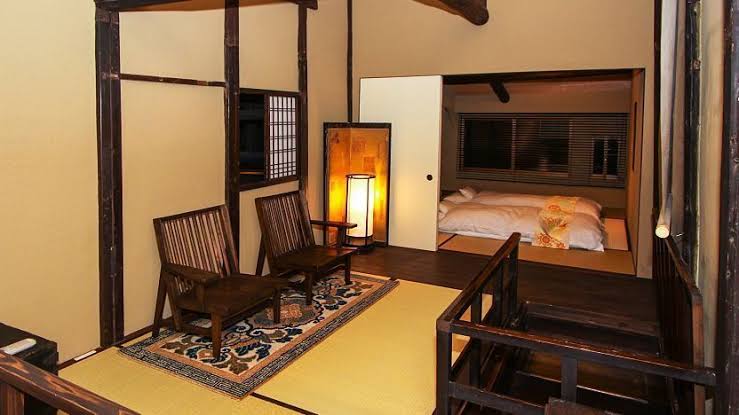
Rent & Initial Costs
Confirm total upfront fees including security deposits, key money, and agent commissions. Tokyo averages 60k-80k JPY.
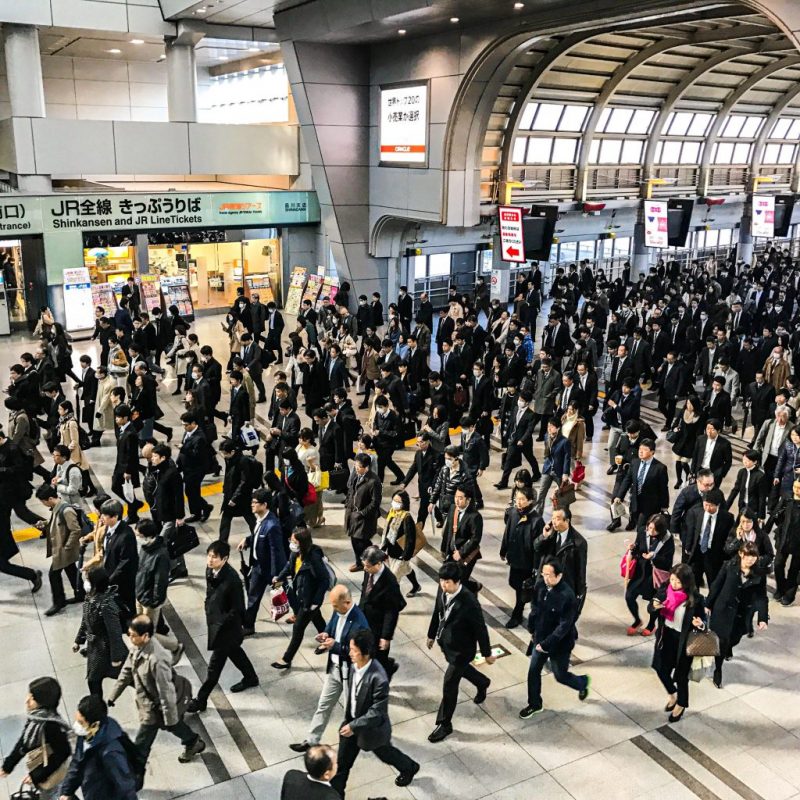
Distance & Commute
Calculate total travel time and cost. Register a commuter pass (teikiken) using your student ID for major discounts.
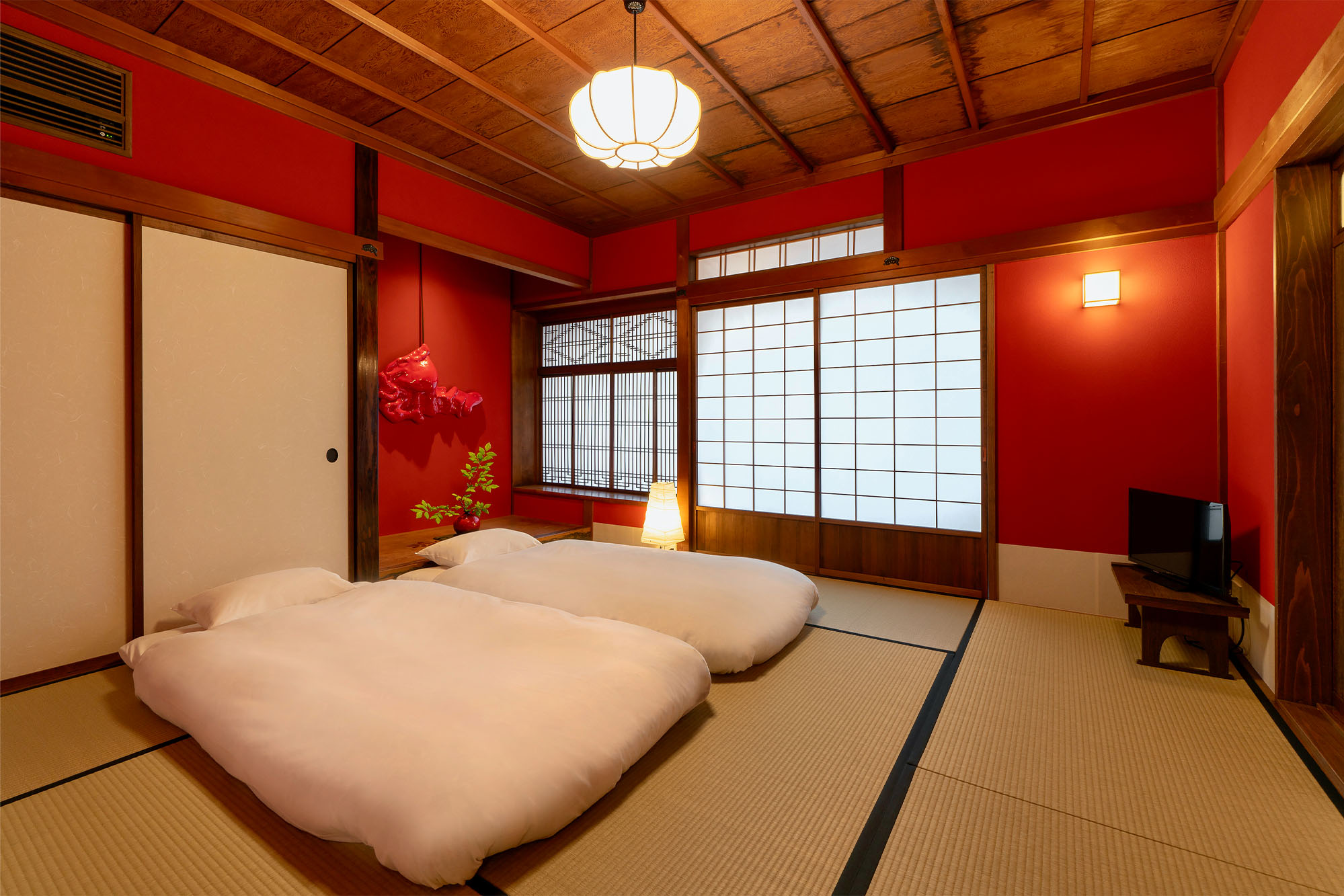
Size & Facilities
Check room layouts, soundproofing, heating/air conditioning, and bath setups.

Convenience
Verify distance to the nearest train station, supermarkets, convenience stores, and clinics.