5 Incredible Reasons to Study in Japan
Japan offers a unique blend of world-class academic excellence, high student satisfaction, practical experience, and an inclusive community.
Get a Globally Respected Education
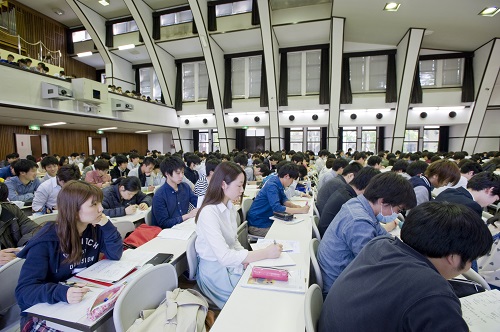
Japan is an excellent choice for studying abroad because of its world-class universities, cutting-edge research, and innovative teaching methods. Students benefit from programs that combine theory with hands-on practice, encouraging creativity and problem-solving skills. With a growing number of English-taught degree programs, Japan has become more accessible to international students. Its universities maintain strong connections with leading global companies, offering valuable internship and career opportunities. Additionally, generous scholarship programs such as MEXT and JASSO make education in Japan more affordable. Studying in Japan not only provides a top-tier academic experience but also opens the door to a truly global learning environment.

High Satisfaction Among Japan-Bound Students
According to the latest survey by JASSO, an impressive 94% of international students say they enjoy studying in Japan—one of the highest satisfaction rates worldwide. Students especially value improving their Japanese language skills, gaining global perspectives, and receiving high-quality education. In fact, over 92% of students said they were glad they chose Japan, and satisfaction rates were even higher among those who stayed longer. With a welcoming environment, strong academic support, and countless opportunities for growth, Japan offers an enriching and memorable study abroad experience.
Work While Studying and After Graduation
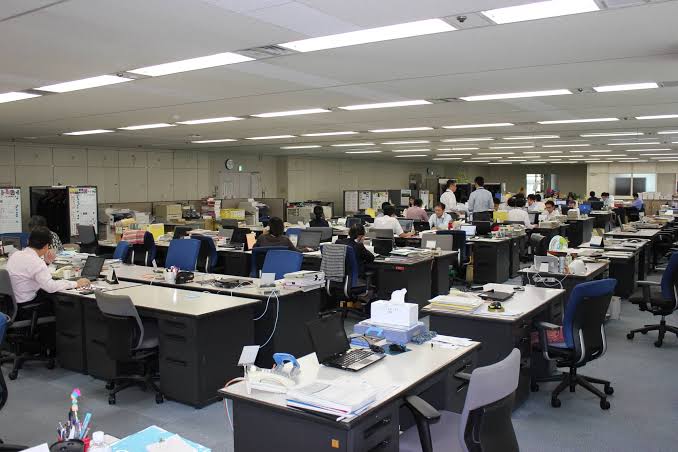
For many international students, studying abroad in Japan isn’t just about academic growth—it’s also a pathway to real-world experience and financial support. In Japan, student visa holders can apply for a part-time work permit and work up to 28 hours per week during academic terms, with extended hours of up to 8 hours per day during long breaks like summer or winter vacations. Common opportunities include roles in hospitality, retail, tutoring, translation, and teaching—helping students earn a modest income while enhancing language skills and cultural immersion. Upon graduation, students can seek full-time employment in Japan—but they must apply to change their visa status from 'Student' to a work-appropriate category such as Engineer, Specialist in Humanities/International Services, Researcher, or Instructor before starting work. If you haven't secured a job yet, Japan allows a Designated Activities visa for job hunting, valid for six months and renewable once, provided you have a letter of recommendation from your school.

Experience Life in a Unique Cultural Blend
Japan is known for its incredible balance of modern convenience and deep cultural tradition, offering international students a truly unique and enriching lifestyle. Ranked among the safest countries in the world, Japan provides a clean, efficient, and well-organized living environment. From bustling city life in Tokyo and Osaka to the peaceful beauty of Kyoto's temples and countryside landscapes, Japan has something for everyone. Japan also offers excellent public transportation, world-class healthcare, and a strong sense of community, making day-to-day life comfortable and enjoyable. Living and studying in Japan gives students the chance to experience authentic Japanese culture, develop cross-cultural understanding, and build practical skills for a successful future career.

Join a Safe and Welcoming Community
Japan is known for its safety, cleanliness, and hospitality, making it an ideal destination for international students. From bustling cities like Tokyo and Osaka to serene towns and countryside, you'll find communities that are welcoming and supportive. Japanese society values respect, harmony, and kindness, which makes it easier for students to adapt and feel at home. With growing numbers of international students, universities and local communities are increasingly multicultural and inclusive, offering plenty of opportunities to make friends, join clubs, and engage in cultural activities. Studying in Japan means becoming part of a safe, vibrant, and friendly community that will enrich your overall experience.
English Proficiency in Japan
To study in Japan, many universities offer programs taught entirely in English. If English is not your native language, you will need to provide proof of proficiency through standard tests, with requirements varying by institution and course.
Getting a Japanese Student Visa
International students must apply for a Student Visa. This process begins after receiving acceptance from a recognized institution and obtaining a Certificate of Eligibility (COE) from the school.
View Student Visa Checklist